The 2ⁿᵈ Session of the Pilot Program of the RISC-V Graduate Elective Course Was Successfully Held
April 12-13, 2025 -- The 2ⁿᵈ session of the pilot program of the RISC-V graduate elective course was successfully held at the VeriSilicon Building in Lingang Innovation Crystal, Shanghai. The event was jointly organized by the Shanghai Open Processor Industrial Innovation Center (SOPIC, also referred to as the "Innovation Center"), VeriSilicon Technology (Shanghai) Co., Ltd., and the Shanghai Lingang Industry-Education Integration Promotion Center.
The meeting brought together 19 faculty members, experts, and scholars from 12 leading domestic universities and research institutions, including Fudan University, Shanghai Jiao Tong University, Tongji University, ShanghaiTech University, Shanghai University, Tsinghua University, Peking University, Zhejiang University, University of Electronic Science and Technology of China, Xi’an Jiaotong University, Shandong University, and the Institute of Software at the Chinese Academy of Sciences.
Participants engaged in in-depth discussions on the RISC-V course planned for the upcoming fall semester. The goal was to collaboratively refine the course materials to ensure a smooth course launch in autumn, and release the finalized materials during the RISC-V China Summit in mid-July.
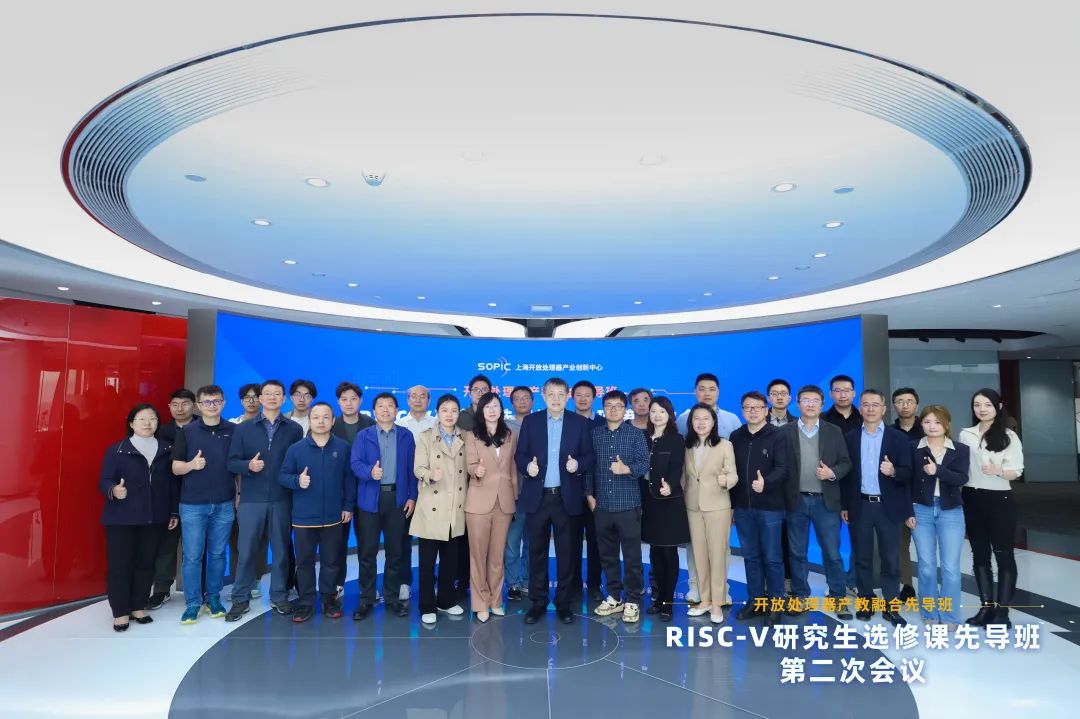
As an important initiative by the AI Sub-Alliance of the Lingang Industry-Education Integration Alliance to deepen industry-education collaboration, this event focused on cross-disciplinary innovation between RISC-V and AI technologies. Faculty members of related disciplines from Lingang universities—including Shanghai Ocean University, Shanghai Maritime University, Shanghai University of Electric Power, Shanghai Dianji University, and Shanghai Jian Qiao University—were invited.
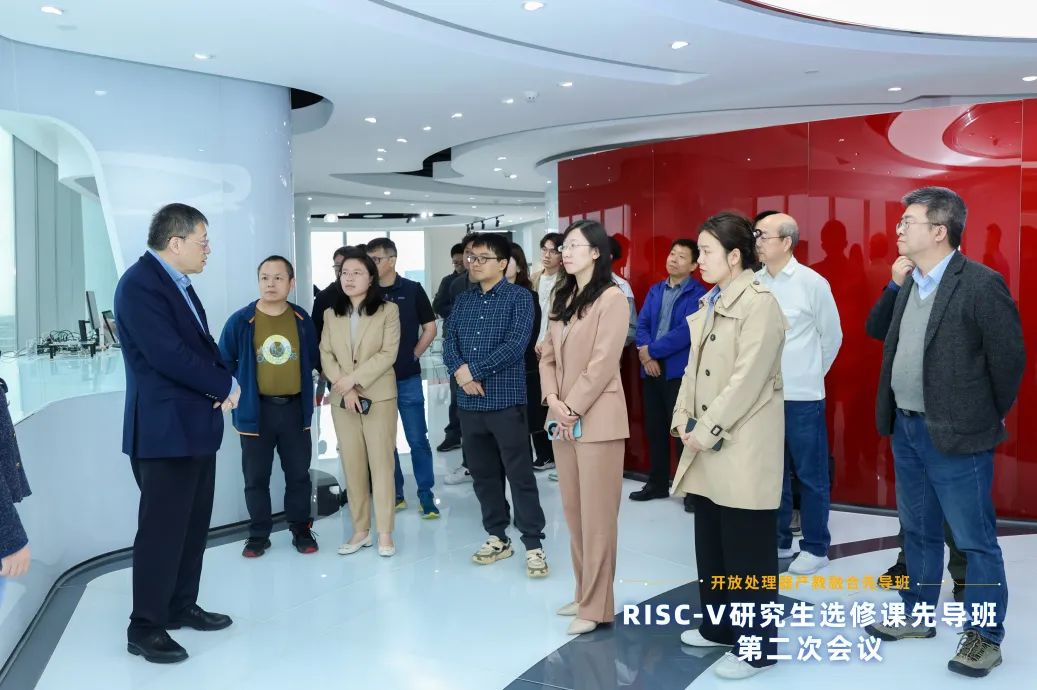
Participants visited VeriSilicon’s Lingang R&D Center exhibition hall at the start of the event.
The meeting was chaired by Guangwu Li, Deputy Secretary-General of SOPIC.
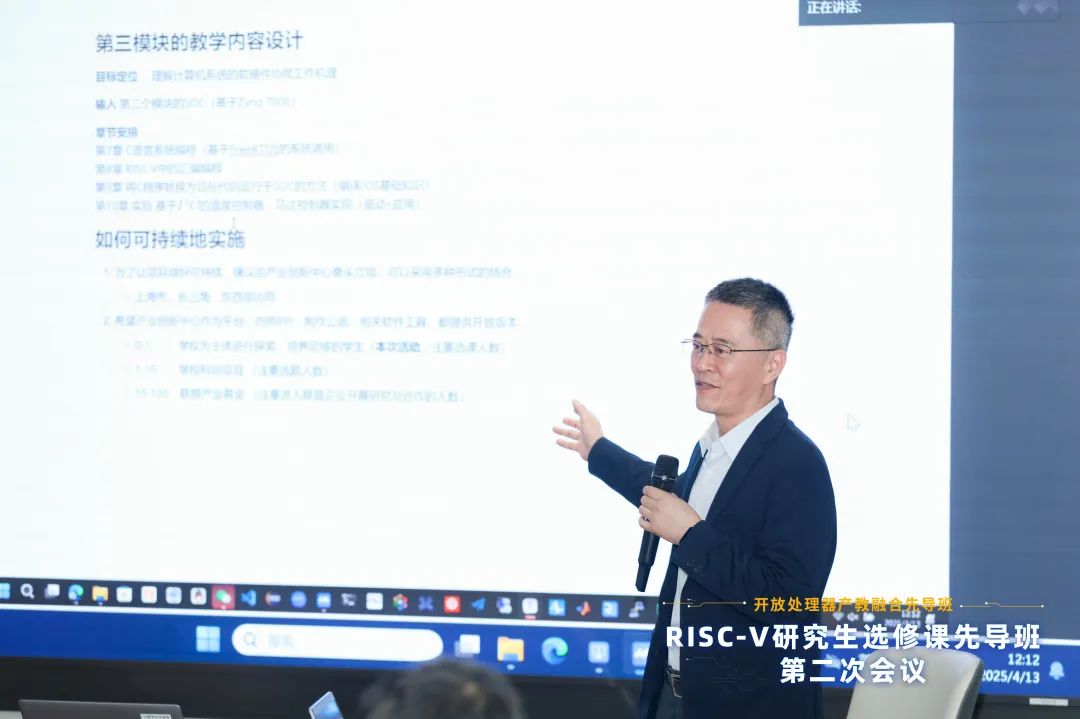
Guangwu Li Deputy Secretary-General of SOPIC
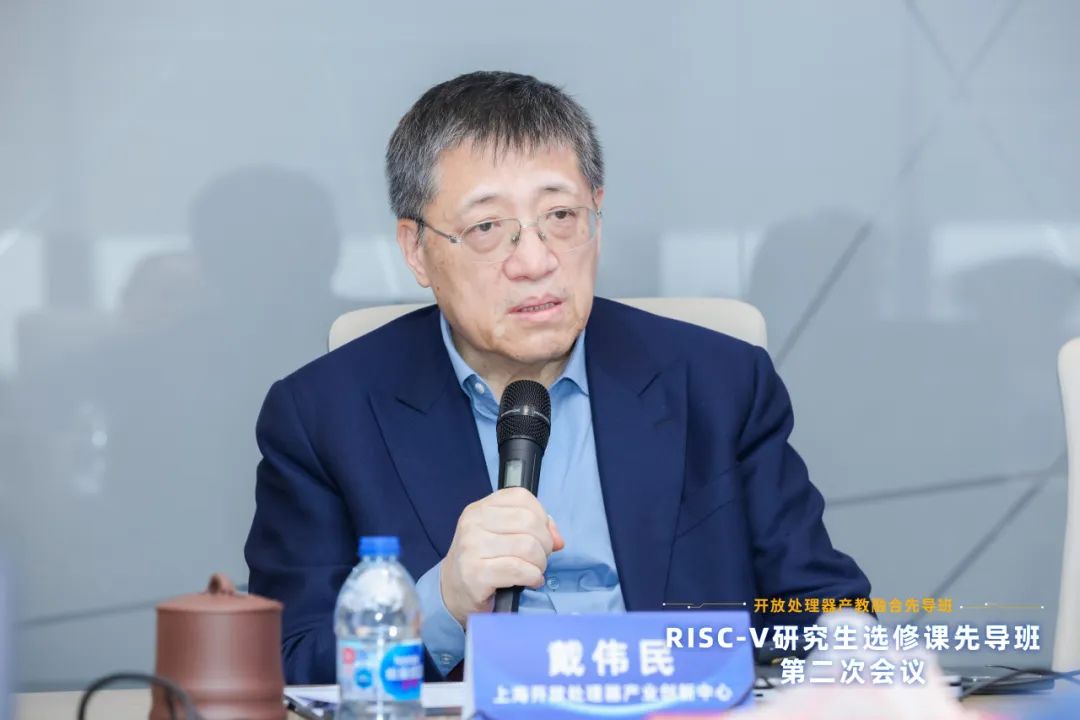
The event commenced with opening speeches by Dr. Wayne DAI, Chairman of SOPIC, and Yang Wang, Deputy Director of the Development and Reform Office of the Lingang Administrative Committee.
In his address, Dr. Wayne DAI reviewed the achievements since the launch conference of the pilot program of the RISC-V graduate elective course. He noted that the current meeting aimed to bring together academic talents for collaborative revision of the RISC-V course materials for the fall semester. Through intensive discussions, the participants aimed to refine the teaching content, with the goal of finalizing and releasing the materials during the upcoming RISC-V China Summit, thereby laying a solid foundation for the successful launch of the RISC-V elective course in the fall semester.
Dr. Dai also highlighted VeriSilicon's leading market position in IP and chip design, which was achieved through sustained R&D investment and talent development. He emphasized the company's commitment to providing cutting-edge technologies to key domestic and international clients. Additionally, Dr. Dai provided an in-depth analysis of future technological trends, particularly in areas such as chiplet innovation.
Yang Wang, Deputy Director of the Development and Reform Office of the Lingang Administrative Committee, delivered a speech emphasizing the Lingang Industry-Education Integration Alliance's commitment to building a collaborative innovation platform that connects industry, academia, research, and application. She expressed hope for closer integration between universities and enterprises to cultivate talent with both theoretical knowledge and practical skills through industry-education collaboration, thereby supplying businesses with more professionals. She also encouraged all universities and institutions to join the alliance
Wang noted that the development of this RISC-V course not only addressed a gap in talent cultivation, but also provided strong human resource support for industrial development. The Lingang Administrative Committee, she said, will enhance its support and guarantees for the alliance to promote the organic integration of education chains, talent chains, industrial chains, and innovation chains.
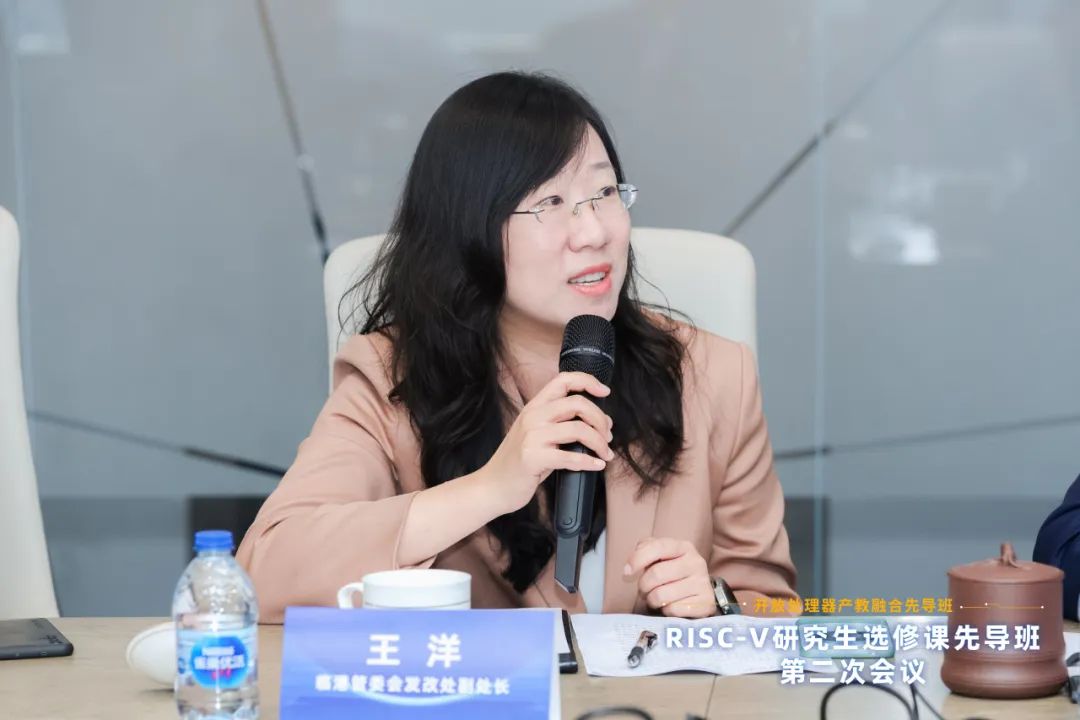
Yang Wang
Deputy Director, Development and Reform Office
Lingang Administrative Committee
On the morning of April 12th, university faculty members introduced the course content, credit hours, and scheduling arrangements for the fall semester at their respective institutions, sharing their teaching plans and approaches. New members of the pilot program—Tsinghua University's Hu He, Zhejiang University's Jingsen Zhou, and Keqiang Wu — also shared their teaching and research background, injecting fresh energy into the team.
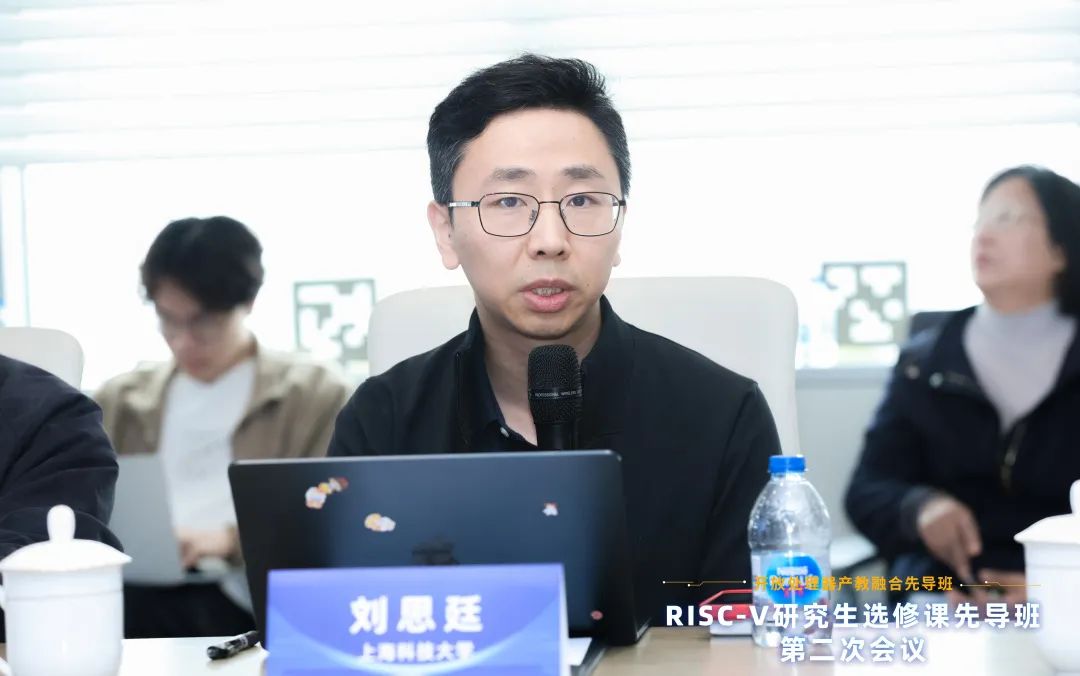
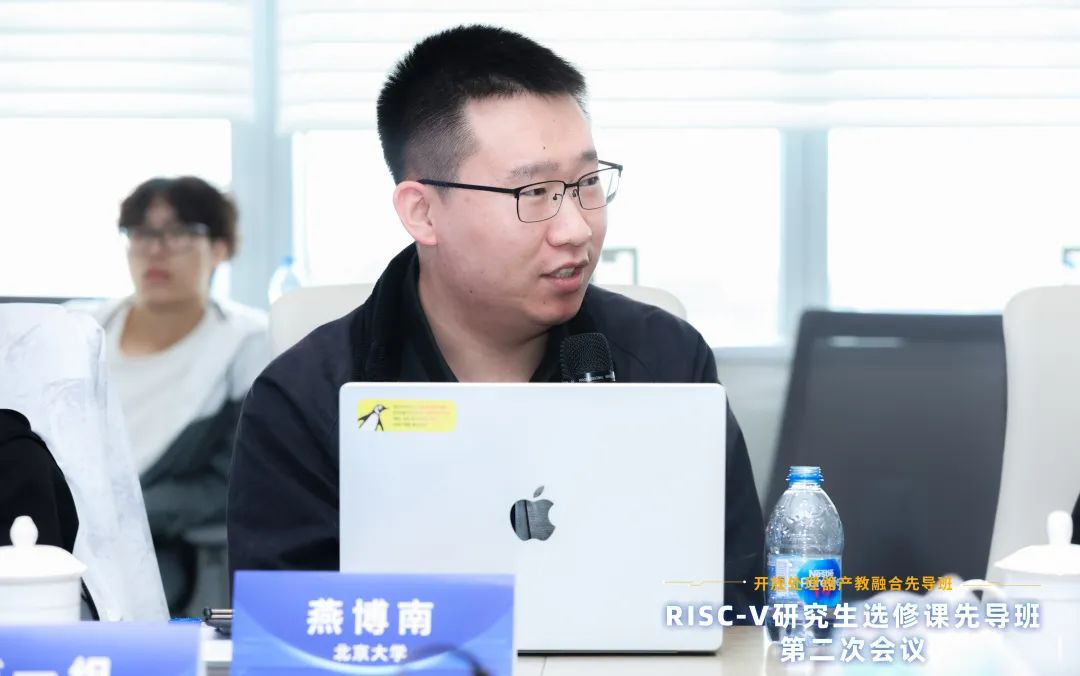
On the afternoon of the 12th, the conference focused on the course module content. Professor Zhuo Zuo from Fudan University, Associate Professor Yanan Sun from Shanghai Jiao Tong University, Professor Liang Zhang from Fudan University, and Professor Feng Liang from Xi’an Jiaotong University delivered presentations on four modules: "CPU and RISC-V Processor Architecture," "RISC-V SoC Hardware," "RISC-V Embedded Software Development," and "RISC-V + DSA Domain-Specific Computing."
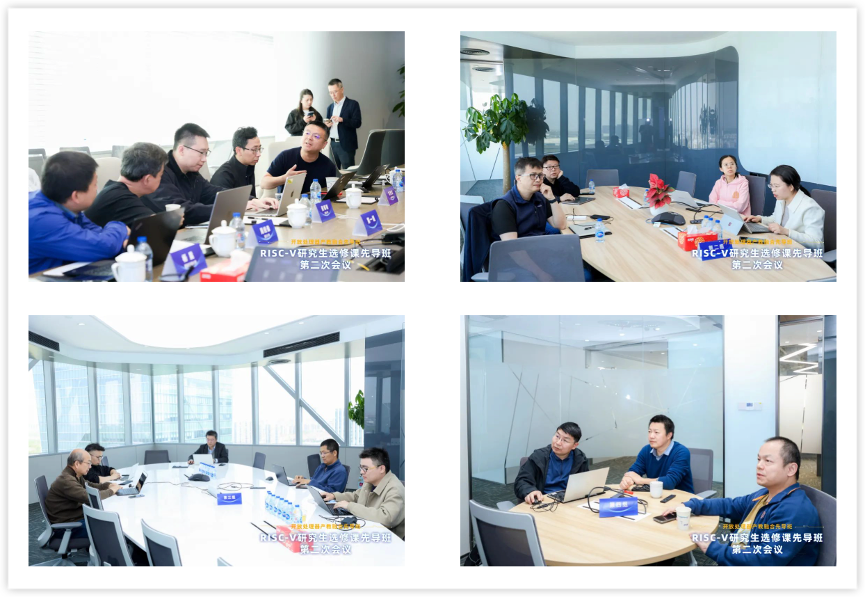
Following the presentations, attendees engaged in a group discussion on the course materials, offering constructive feedback regarding the accuracy of specialized knowledge, practical applicability of the teaching content, and coherence between modules. The goal was to refine and enhance the quality of the course materials.
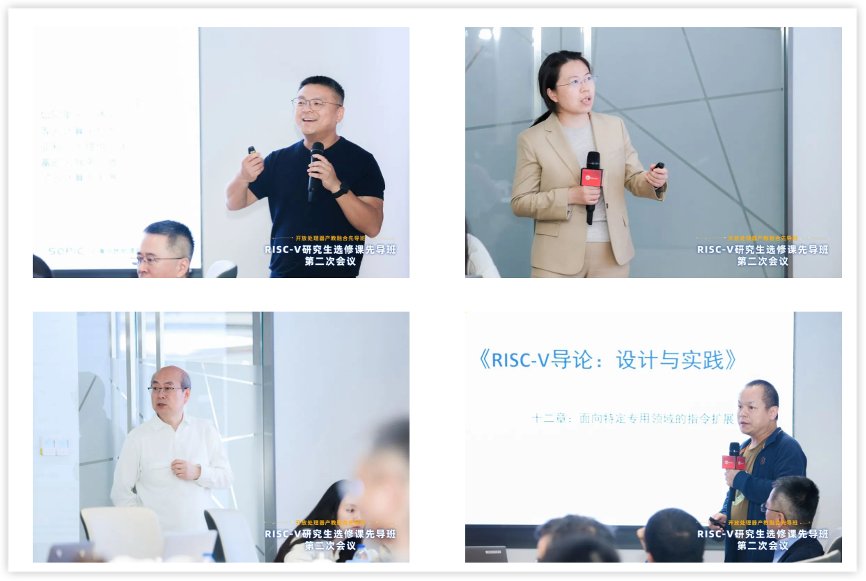
Professor Tao Xie, Secretary-General of the SOPIC, Zhenbo Hu, founder of Nuclei Technology, and Jiangang Duan, Senior Advisor of the SOPIC, engaged in discussions with attendees on topics ranging from course structure and content to cutting-edge applications of RISC-V technology, aiming to further refine the overall curriculum framework.
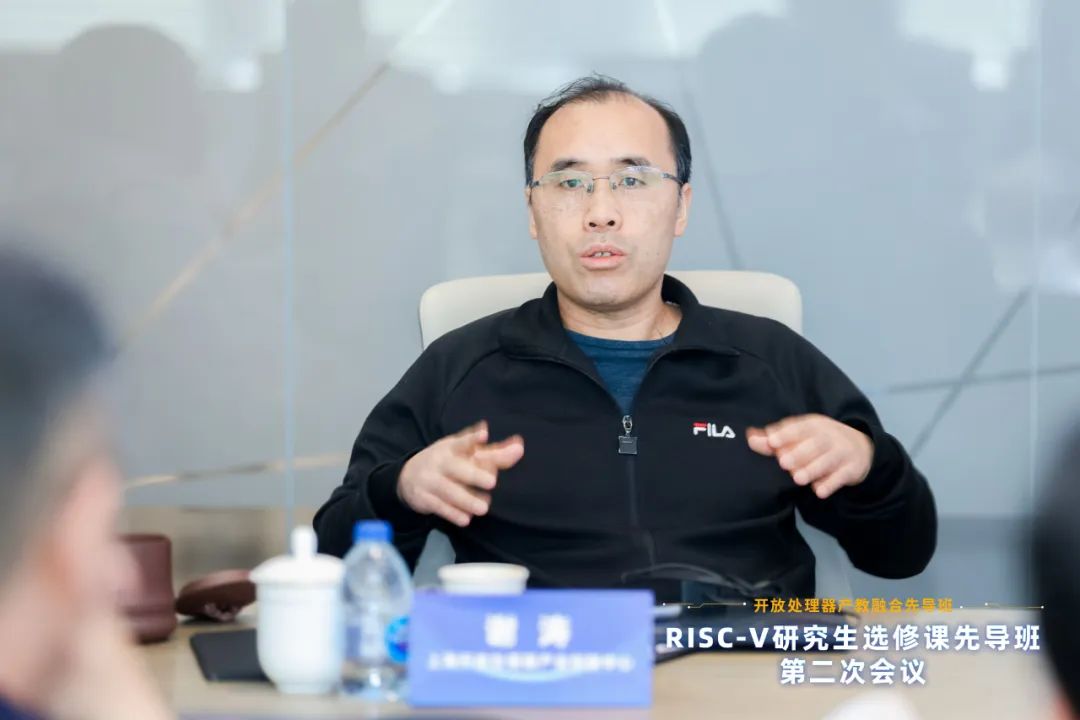
Tao Xie
Secretary-General of SOPIC
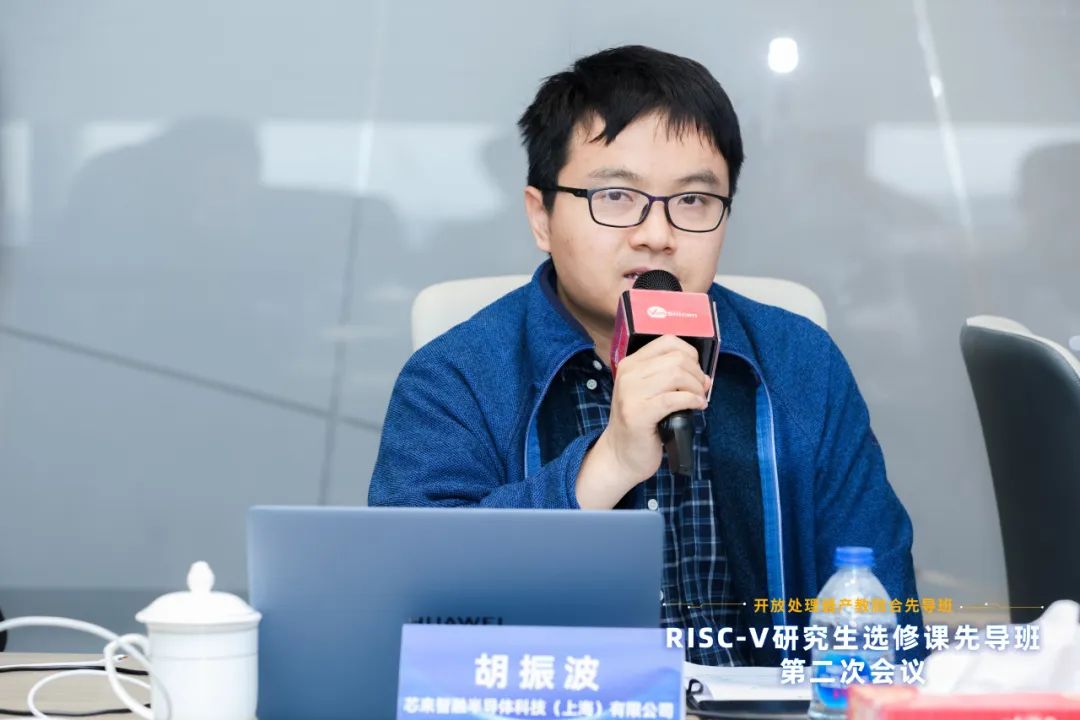
Zhenbo Hu
Founder of Nuclei Technology
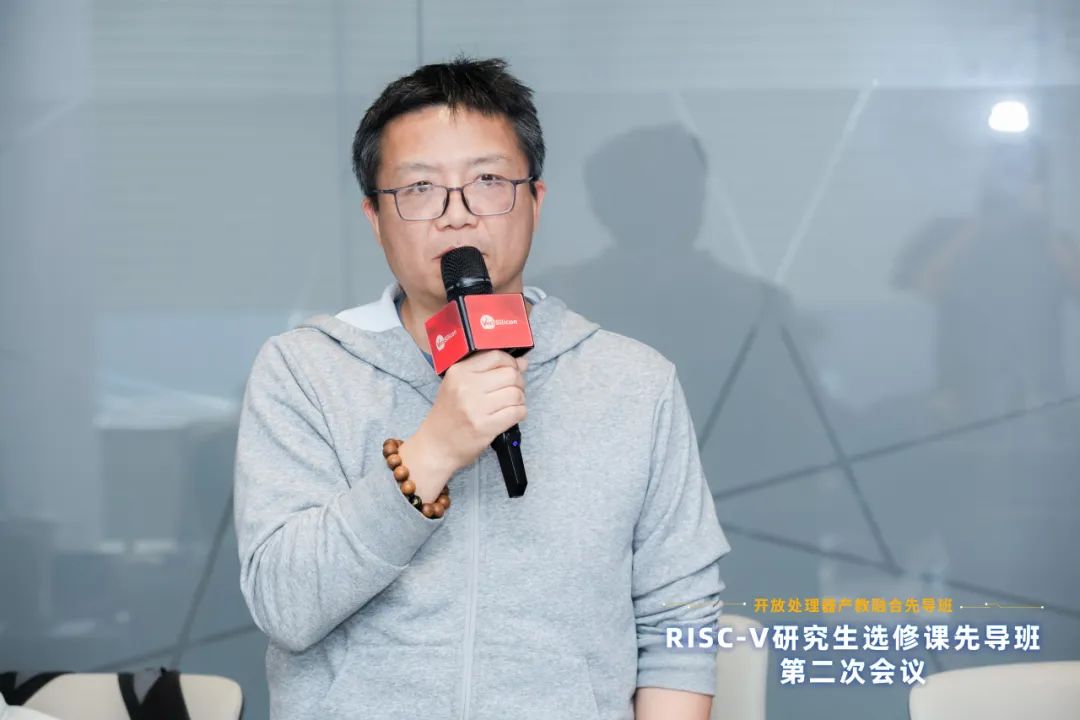
Jiangang Duan
Senior Advisor of SOPIC
On the morning of April 13th,Yingdan Zhao, Vice Chairman of SOPIC, provided an overview of the 2025 RISC-V China Summit and extended a warm invitation to university faculty and students to actively participate in the event. She also introduced details about the VeriSilicon Cup Embedded Software Competition. Having been held for three consecutive years, the competition centers on RISC-V, integrating VeriHealth, VeriSilicon’s wearable smart health hardware platform, and the VeriHealth-SDK to provide participants with a comprehensive software and hardware development environment. The goal of the competition is to expose more students to RISC-V, deepen their understanding and interest in the technology, and ultimately foster a thriving open RISC-V ecosystem.
Additionally, attendees discussed plans to release course materials during the summit, ensuring thorough preparations for the launch.
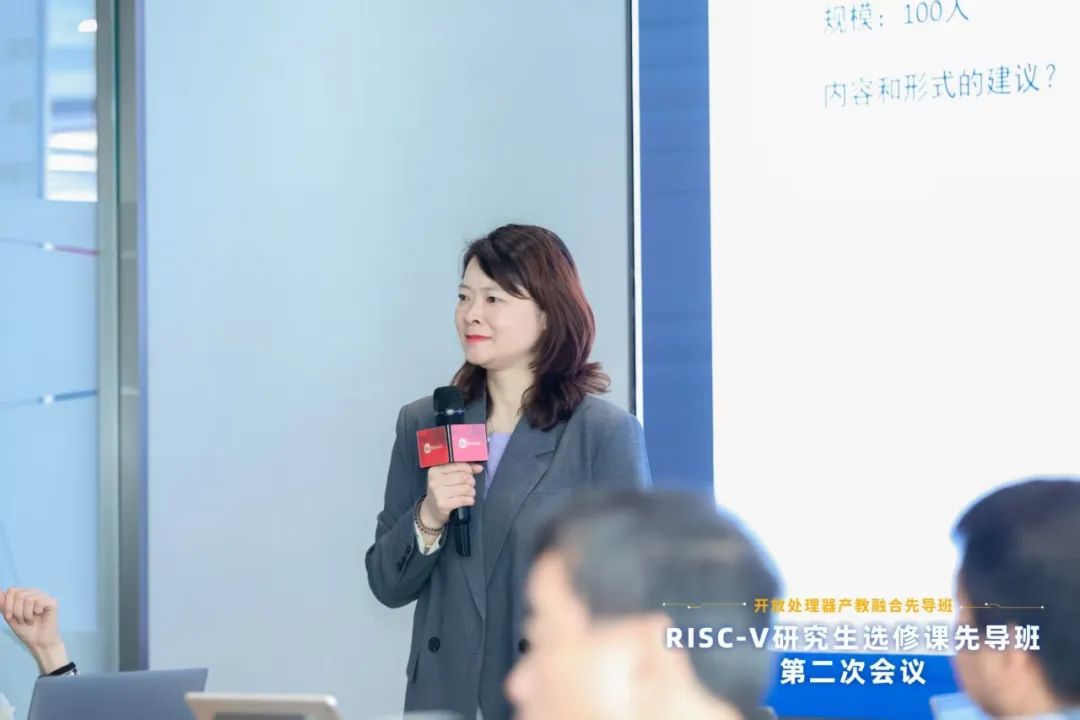
Yingdan Zhao
Vice Chairman of SOPIC
Following the discussions, participants were divided into groups to revise the course materials based on feedback from the previous day. Subsequently, the four module leaders presented summaries of the revised content, outlining the next steps for development and identifying areas requiring additional support.
In conclusion, Dr. Wayne DAI delivered closing remarks, commending the outcomes of the meeting and expressing expectations for future efforts.
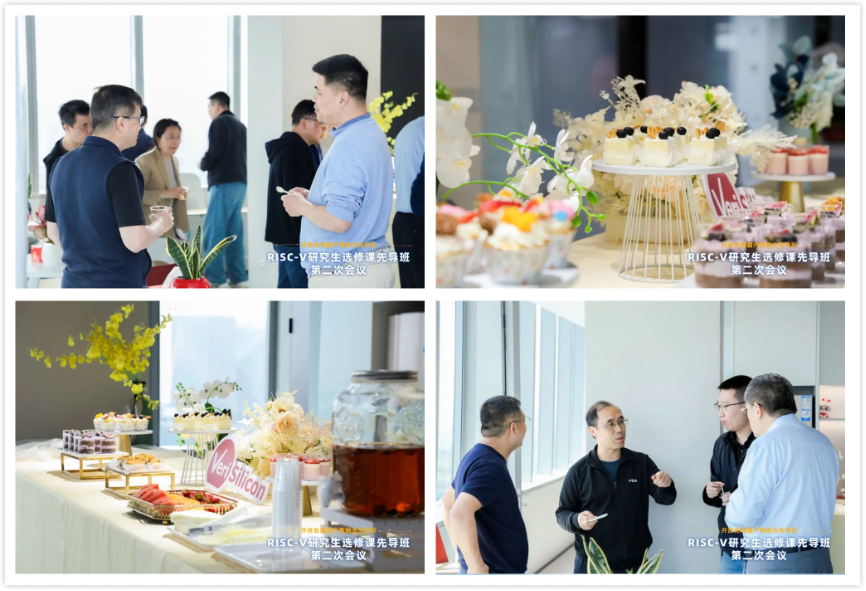
During the conference, coffee breaks were arranged to provide a relaxed networking atmosphere for faculty members and experts from universities, research institutions and enterprises.
The successful convening of this conference has laid a solid foundation for the launch of the RISC-V graduate elective course series. Through the collaborative efforts of the teaching team, the course materials will be further refined and are expected to provide high-quality educational content for students enrolling in the autumn semester.
Moreover, the conference fostered academic exchange and cooperation in RISC-V education among participating universities, advancing both pedagogical development and talent cultivation in this field. These outcome is sure to inject fresh momentum into the promotion and application of RISC-V technologies.
ABOUT SOPIC
Established in September 2024 in Zhangjiang, Pudong, Shanghai, the Shanghai Open Processor Industry Innovation Center (SOPIC) is headquartered on the 15th floor of Building 1, Chuangxin Tiandi, No. 52 Jichuang Road. As a non-profit organization, it was co-founded by leading domestic semiconductor design companies including VeriSilicon, Nuclei Technology, and DAMO Academy (Shanghai).
SOPIC serves as an industrial nexus bringing together RISC-V ecosystem stakeholders, including chip designers, IP vendors, system integrators, software developers, OEMs, and top-tier research institutions, to co-develop critical generic technology platforms. By fostering open hardware architecture to accelerate open-source software ecosystems, the center drives the industrialization and commercial deployment of RISC-V technologies.
Complementing its technical mission, SOPIC partners with China's leading universities through three integrated channels: co-developing RISC-V-specific curricula, establishing joint research laboratories, and creating applied training centers. This tripartite approach systematically cultivates professionals with cross-functional RISC-V expertise, ensuring a sustainable talent pipeline to power the ecosystem's evolution.